

CMV, short for cytomegalovirus, is a common virus that spreads through body fluids. Many people encounter CMV during their lifetime—often without any noticeable symptoms. In fact, about half of healthy adults have been exposed by age 40. When symptoms do occur, they are usually mild and temporary, similar to those of a common cold.
After initial exposure, CMV typically remains inactive (or dormant) in the body for life. While dormant CMV rarely causes health issues, understanding CMV status is an important part of informed family planning when using donor sperm.
People who have previously been exposed to CMV are considered CMV‑positive and develop natural antibodies. This immune response greatly reduces the likelihood of reinfection or complications.
People who have never been exposed are CMV‑negative. Because CMV can pass through close personal contact, including during pregnancy, knowing CMV status helps recipients make informed choices when selecting donor sperm.
The only way to determine CMV status accurately is through a simple blood test that measures CMV antibodies.
When a CMV‑negative person becomes infected during pregnancy, there is an estimated 30-40% chance of transmission to the baby. Most babies exposed to CMV develop normally; however, a small percentage may experience developmental challenges. For this reason, fertility providers encourage intended parents to know their CMV status before starting treatment with donor sperm.
Understanding personal CMV status helps reduce uncertainty and supports confident decision‑making throughout the fertility journey.
Yes. Cascade Cryobank follows strict FDA guidelines, and all sperm donors complete comprehensive infectious disease testing, including CMV screening.
Both CMV‑positive and CMV‑negative donors may participate in the donor program. Each donor’s CMV status is clearly listed on their profile, allowing recipients to choose the option that aligns best with their personal health considerations and fertility plans.
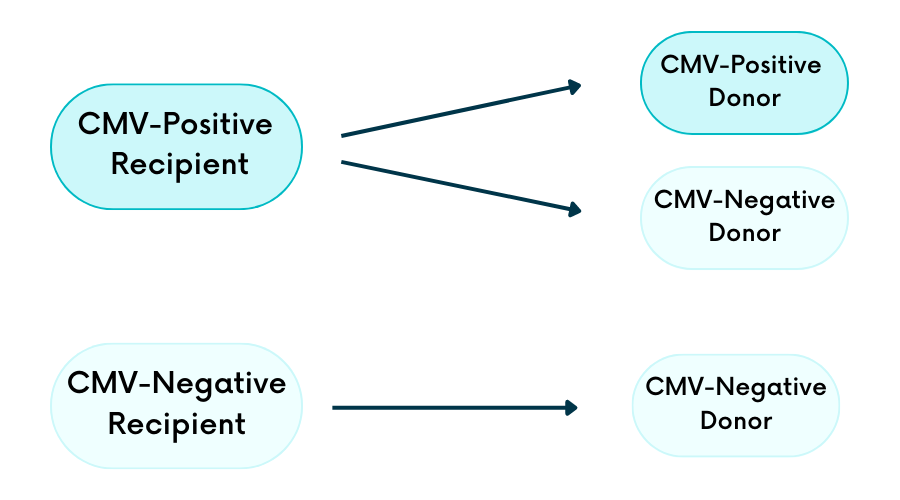
CMV testing helps guide donor selection:
Fertility providers often recommend CMV antibody testing as a standard part of pre‑conception planning when donor sperm is involved.
We advise that a recipient seeking pregnancy undergo CMV antibody testing. For recipients previously infected by CMV, there is minimal to no risk of transmission, so either a CMV-positive or CMV-negative donor may be selected. This typically broadens the available selection of donor sperm. However, recipients who have not had previous CMV exposure are advised to use a CMV-negative donor to minimize the risk of infection.
CMV screening represents one of many ways sperm banks and fertility professionals prioritize safety, transparency, and informed care. By understanding CMV status, both your own and your donor’s, you can move forward with greater confidence and clarity.
If you have questions about CMV testing, donor profiles, or sperm bank screening practices, Cascade Cryobank is here to help support you at every step of your family‑building journey.